
Riverside
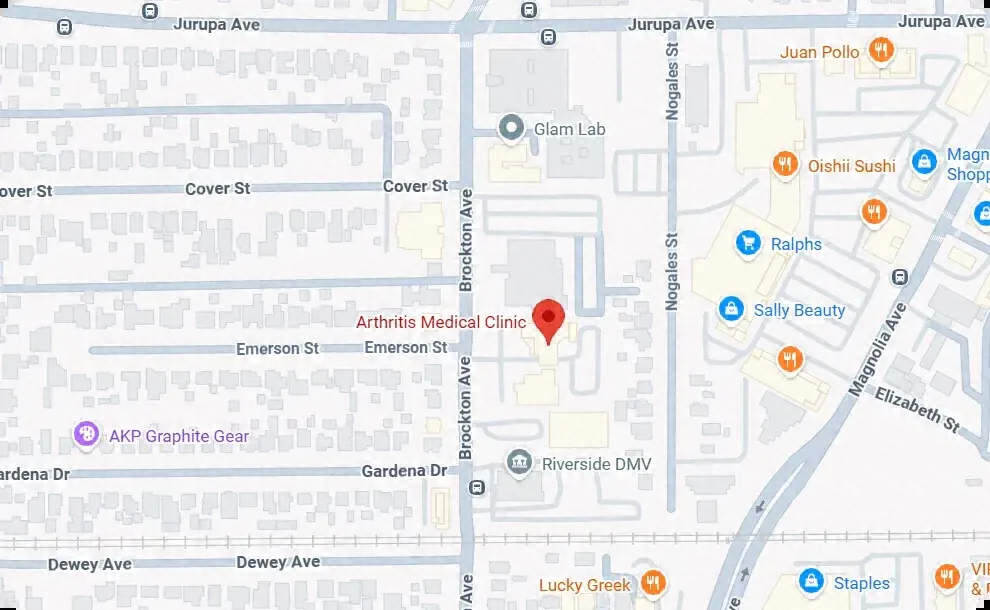
6180 Brockton Avenue, STE 204Riverside, CA 92506
info@arthritismedicalclinic.org
Get Directions to Arthritis Medical Clinic RiversideMedical review pending
Raynaud’s phenomenon makes fingers turn white, blue and red in the cold. Learn why it happens and when it can point to an autoimmune disease.
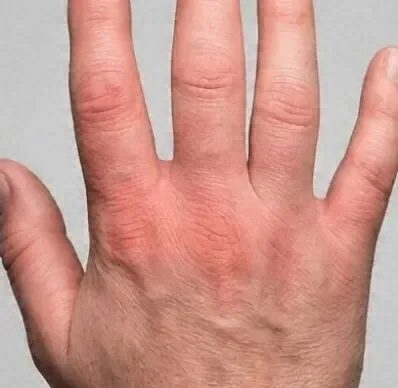
Raynaud’s Phenomenon is a condition where blood vessels in the fingers, toes, and sometimes other areas temporarily narrow, reducing blood flow. This causes noticeable color changes and uncomfortable sensations.
For many, Raynaud’s is mild and manageable. However, in some cases, it can be linked to underlying autoimmune or connective tissue diseases, so proper evaluation is important.
Raynaud’s can occur on its own (primary Raynaud’s) or as a symptom of another underlying condition (secondary Raynaud’s).
Raynaud’s Phenomenon is a condition where blood vessels overreact to triggers such as cold temperatures, emotional stress and sudden temperature changes.
Normally, blood vessels adjust blood flow to help regulate body temperature. In Raynaud’s, the small arteries that supply blood to the fingers and toes tighten excessively, restricting circulation. This temporary decrease in blood flow causes color changes, numbness, tingling and pain. Once circulation returns, the area usually becomes red and may feel warm or uncomfortable.
A typical Raynaud’s attack happens in stages:
Some individuals have occasional mild episodes, while others experience frequent attacks that affect daily activities.
Primary Raynaud’s occurs without another underlying disease. It usually causes milder symptoms, no lasting blood vessel damage, and often begins at a younger age. Many people manage primary Raynaud’s with lifestyle changes alone.
Secondary Raynaud’s occurs as a result of another medical condition, such as systemic sclerosis (scleroderma), lupus, rheumatoid arthritis, Sjögren’s syndrome or other connective tissue diseases. Secondary Raynaud’s is often more serious, since prolonged reduction in blood flow can damage tissues.
The exact reason blood vessels overreact isn’t always clear. Contributing factors include cold exposure (the most common trigger), stress and emotional triggers, autoimmune and connective tissue diseases, certain medications that affect blood vessel function, and smoking or nicotine exposure, which constricts blood vessels.
Seek medical advice if you have symptoms beginning after age 30, severe pain during attacks, skin ulcers or sores on fingertips, one-sided symptoms, persistent color changes, or symptoms suggesting autoimmune disease. These signs may point to secondary Raynaud’s.
Treatment depends on the severity and underlying cause. The goals are to reduce attacks, improve circulation and prevent tissue damage.
Many people with Raynaud’s can live normal, active lives. The key is to understand your personal triggers and prevent episodes: dress warmly, protect hands and feet, recognize early symptoms and follow up with your healthcare provider when symptoms change.
A rheumatology evaluation may be helpful if you have frequent Raynaud’s attacks, severe symptoms, skin sores, joint pain, rashes, unexplained fatigue or other signs of autoimmune disease. A rheumatologist can help determine whether Raynaud’s is a standalone condition or related to another inflammatory disease.
Raynaud’s itself is not always autoimmune. It can occur alone or as a symptom of autoimmune conditions.
Primary Raynaud’s is usually not dangerous. Secondary Raynaud’s can sometimes cause complications if blood flow is severely reduced.
There is no permanent cure, but symptoms can often be managed with lifestyle changes and treatment.
Common triggers include cold temperatures, stress, and sudden temperature changes.
If your symptoms are severe, new, or associated with other inflammatory symptoms, a rheumatologist can help evaluate the cause.
Raynaud’s Phenomenon is a great reminder of why it’s important to pay attention to small symptoms. A simple color change in your fingers might be harmless, but sometimes it can be an early clue to a larger inflammatory condition.
The most important step is understanding whether Raynaud’s is happening by itself or as part of another disease. With proper evaluation, trigger management, and treatment when necessary, most people with Raynaud’s Phenomenon can effectively control their symptoms and protect their long-term health.
We Are Accepting New Patients!
info@arthritismedicalclinic.org
Get Directions to Arthritis Medical Clinic Riverside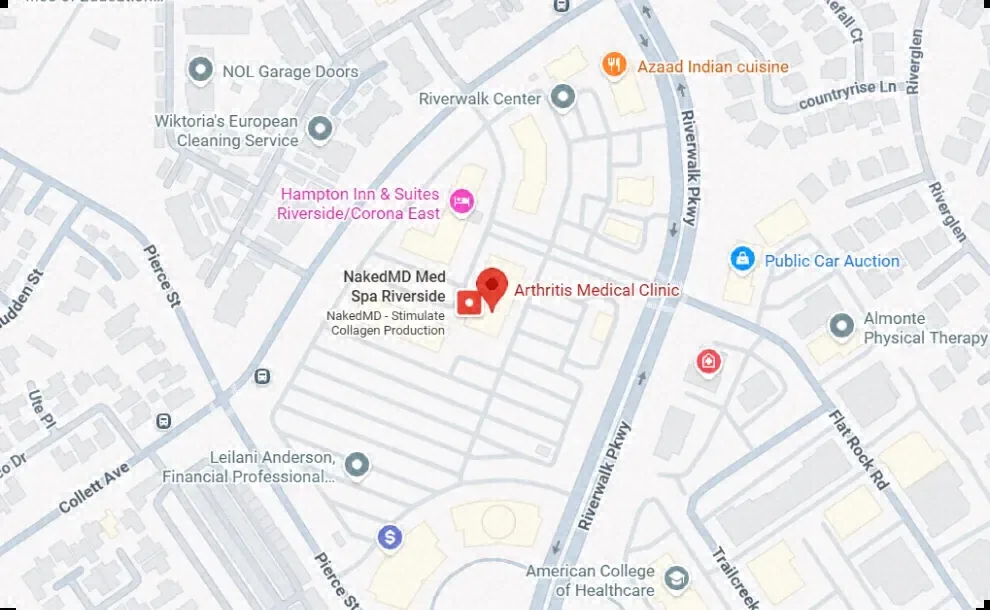
info@arthritismedicalclinic.org
Get Directions to Arthritis Medical Clinic La SierraPhones answered: Mon – Fri 9:00 AM – 5:00 PM
Wheelchair-accessible entrance and parking at every office.