
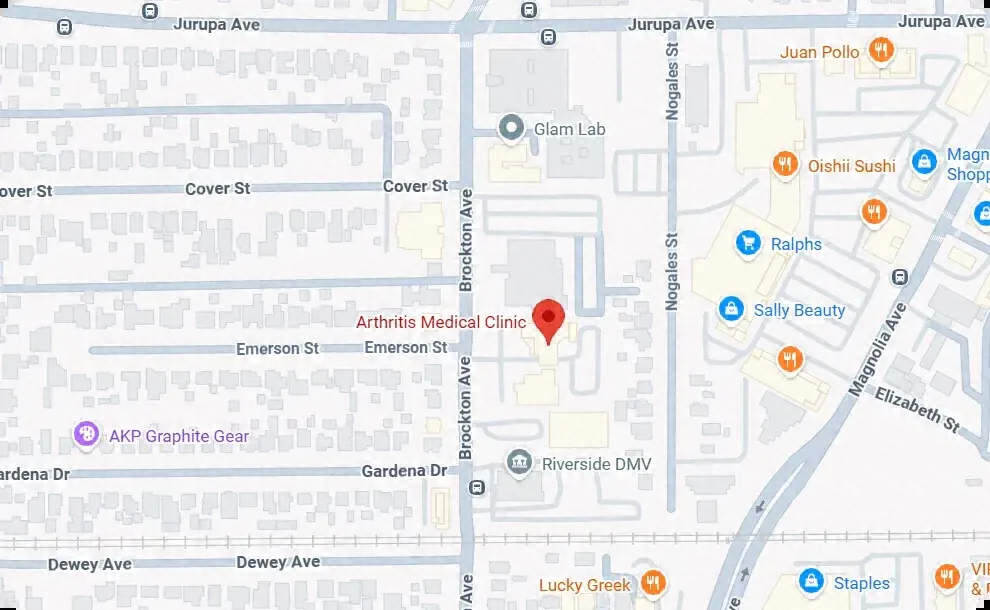
Riverside
6180 Brockton Avenue, STE 204Riverside, CA 92506
info@arthritismedicalclinic.org
Get Directions to Arthritis Medical Clinic RiversideMedical review pending
Antiphospholipid syndrome (APS) is an autoimmune disease. It makes harmful blood clots more likely to form.

Antiphospholipid syndrome (APS) is an autoimmune disease. It makes harmful blood clots form. In an autoimmune disease, the immune system makes antibodies that attack and harm your own tissues or cells.
Antibodies normally protect your body from viruses and bacteria. In APS, they attack the body’s healthy cells. High levels of APS antibodies raise the risk of blood clots. These antibodies are called “antiphospholipids.” That is because they attack parts of cells called phospholipids. The damage makes blood clots more likely to form in both veins and arteries.
High levels of APS antibodies in the blood raise the risk of health problems. But some people with them never get blood clots.
Signs of a harmful blood clot include:
Less common symptoms of APS include:
APS can affect people of any age. Some things may raise your risk. These include your family history and genes, other health problems, medicines and procedures, and your daily habits. Common risk factors include:
Your doctor will ask about your health history and may order blood tests. The tests look for the three APS antibodies in your blood. They are anticardiolipin, beta-2 glycoprotein I (β2GPI) and lupus anticoagulant. To be diagnosed with APS, you must have APS antibodies. You must also have had health problems linked to the disease.
APS has no cure yet. But medicines can help prevent the health problems it causes. The goals of treatment are to stop new blood clots from forming and to keep clots you already have from getting bigger. Your doctor may prescribe a blood thinner. They will know which medicine is best for you.
It is important for people with APS to see a doctor and get treatment. Without treatment, APS can cause blood clots that threaten your life. These clots can lead to a heart attack or stroke. Untreated APS during pregnancy raises the risk of miscarriage. It also raises the risk of preeclampsia, which is high blood pressure during pregnancy.
We Are Accepting New Patients!
info@arthritismedicalclinic.org
Get Directions to Arthritis Medical Clinic Riverside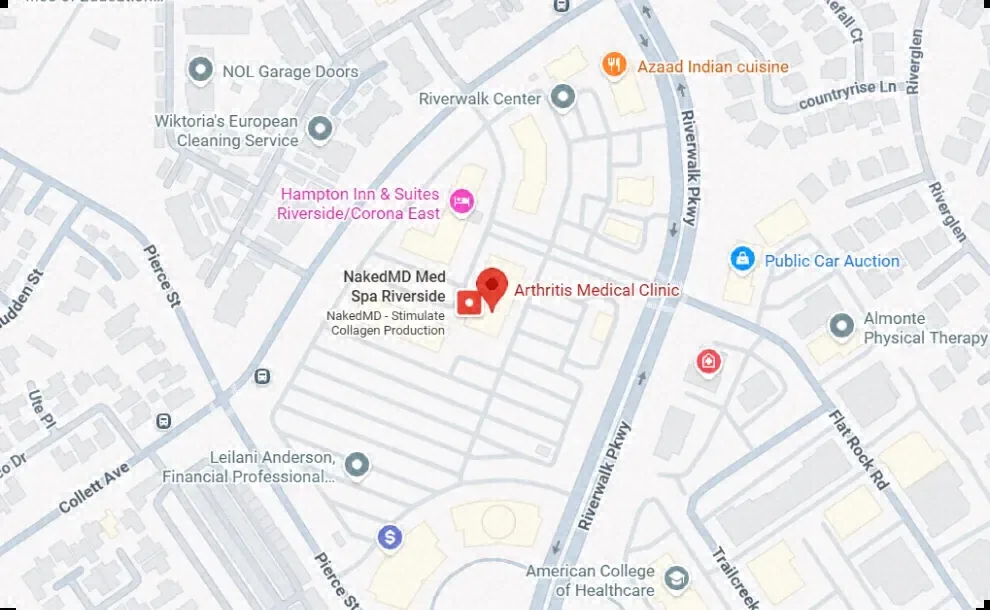
info@arthritismedicalclinic.org
Get Directions to Arthritis Medical Clinic La SierraPhones answered: Mon – Fri 9:00 AM – 5:00 PM
Wheelchair-accessible entrance and parking at every office.