
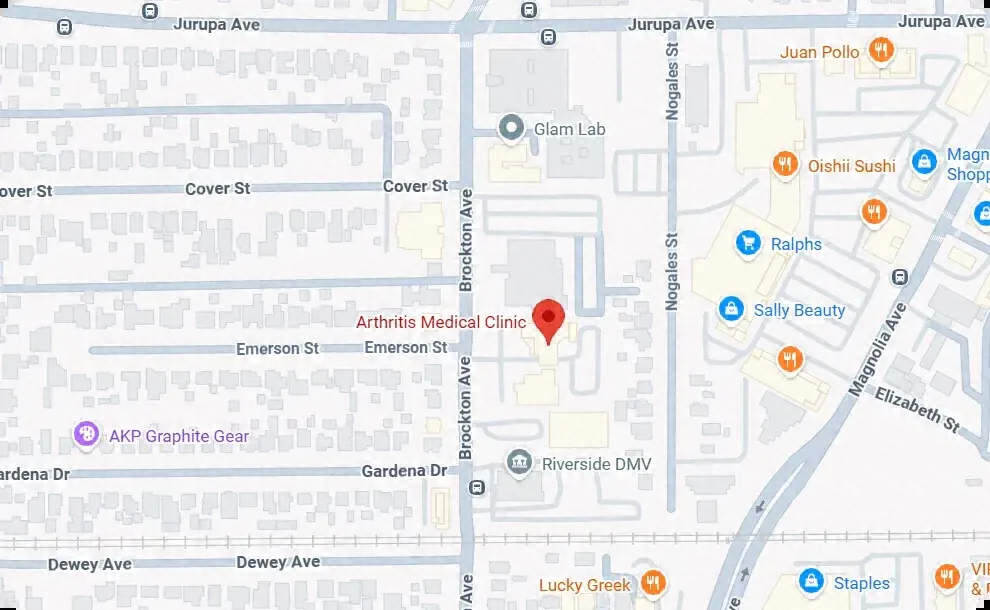
Riverside
6180 Brockton Avenue, STE 204Riverside, CA 92506
info@arthritismedicalclinic.org
Get Directions to Arthritis Medical Clinic RiversideMedical review pending
Lupus is a long-lasting disease in which the immune system attacks the body. It can affect many parts of the body.

Lupus is a long-lasting autoimmune disease. Its full name is systemic lupus erythematosus. It can affect many parts of the body. Your immune system normally protects your body from germs and disease. With lupus, it attacks your own tissues instead. This causes swelling and pain, called inflammation. Sometimes it causes lasting damage. The damage can be widespread. It can affect the skin, joints, heart, lungs, kidneys, blood cells and brain.
If you have lupus, you may have times when you feel sick (flares). You may also have times when you feel well (remission). Flares can be mild or serious, and no one can predict when they will come. But with treatment, many people with lupus can manage the disease.
Anyone can get lupus. But women get it about nine times more often than men. It most often starts between ages 15 and 45. It can also start in childhood or later in life.
Lupus is more common in African Americans than in White people. It is also more common in people of American Indian and Asian descent. Men, African Americans, Chinese people and Hispanic people are more likely to have lupus that harms their organs. If someone in your family has lupus or another autoimmune disease, you may be more likely to get lupus.
Lupus symptoms are different for each person. They can be mild or severe. You may have just a few symptoms in one part of your body. Or you may have many symptoms all over your body. Symptoms may come and go. New ones may show up over time. Some symptoms happen when lupus causes swelling in organs, such as the joints, skin, kidneys, the lining of the heart and lungs, the brain and blood cells. Symptoms of lupus can include:
Lupus causes swelling all through the body. This can cause problems in organs, such as:
Lupus can cause swelling in the heart and blood vessels. So some people with lupus are more likely to get heart and blood vessel disease, such as:
No one knows the cause of lupus yet. Researchers are still trying to learn what starts it. Doctors know it is a complex autoimmune disease. The body’s immune system attacks the person’s own tissues and organs. Studies show that some things may set off the immune system and cause the disease:
Lupus can be hard to diagnose. It has many symptoms that come and go. Its symptoms can also look like those of other diseases. When you talk to your doctor, tell them about symptoms you no longer have, too. Your doctor may need to rule out other causes first. No single test can show that you have lupus. To find out, your doctor may:
Your doctor will also take blood for lab tests, such as:
Doctors treat lupus based on your symptoms. The goals of treatment are to:
Lupus is a long-lasting disease. It has no cure yet. But treatments have gotten much better. Doctors now have more ways to manage the disease. Symptoms can change, and treatments can have side effects. So your doctor may suggest more than one treatment at a time.
Treatments for lupus may include the following.
Corticosteroids come in several forms:
You may need medicines to treat or prevent problems linked to lupus. You may also need them for side effects of the medicines that treat lupus. These include heart disease, high blood pressure, osteoporosis and other bone problems, and infections.
Your doctor may also give you medicines that are used for other diseases with symptoms like those of lupus. For example, some medicines for rheumatoid arthritis may ease some lupus symptoms.
Some people try other kinds of therapies to feel better. But research has not shown for sure that they help or treat lupus. Some examples are:
Some medicines you buy at the store, herbs and supplements can change how your other medicines work. Talk with your doctor before you start any new therapy.
Whatever treatment you get, see your doctor regularly. Your doctor will check on your lupus and watch for side effects of your medicines. Never stop a medicine or treatment without talking to your doctor first.
Most people see a rheumatologist for lupus care. A rheumatologist is a doctor who is an expert in rheumatic diseases. These include arthritis and other diseases of inflammation or the immune system. Clinical immunologists are doctors who treat immune system problems. They may also treat lupus. Other health care providers may help, too:
Living with lupus can be hard on your body and your feelings. At times, you may feel that your friends, family and coworkers do not understand how you feel. You may feel sad or angry. A good first step is to work with your doctor on the best treatment plan. Then take your medicines just as your doctor prescribed. Keep in mind that many people with lupus live happy, full lives. A positive outlook matters.
You can do many things to live well with lupus:
Warning signs of a flare include:
You can make changes at work so you can keep working, such as:
Most people with mild lupus, or lupus in remission, can do the same things they did before they were diagnosed.
Most women with lupus can have healthy pregnancies if the disease is under control. If you plan to get pregnant, talk to your doctor first. That way you can be as healthy as possible before you get pregnant. Close checkups during pregnancy are key. They matter even more if you have low platelets, antiphospholipid antibodies, anti-SSA/Ro antibodies, high blood pressure, lung or heart problems, or kidney disease.
Find an obstetrician who cares for high-risk pregnancies and has worked with women who have lupus. Some lupus medicines are not safe during pregnancy. Before you get pregnant, go over your lupus medicines with your doctors. Make sure all of them are safe to use while you are pregnant.
Research shows that birth control pills do not raise the risk of severe flares in women with lupus. But pills with estrogen are not advised for women who have antiphospholipid antibodies. Talk with your doctor about your antibody test results before you start birth control pills.
Source: National Institute of Arthritis and Musculoskeletal and Skin Diseases (NIAMS), NIH, last reviewed October 2022.
We Are Accepting New Patients!
info@arthritismedicalclinic.org
Get Directions to Arthritis Medical Clinic Riverside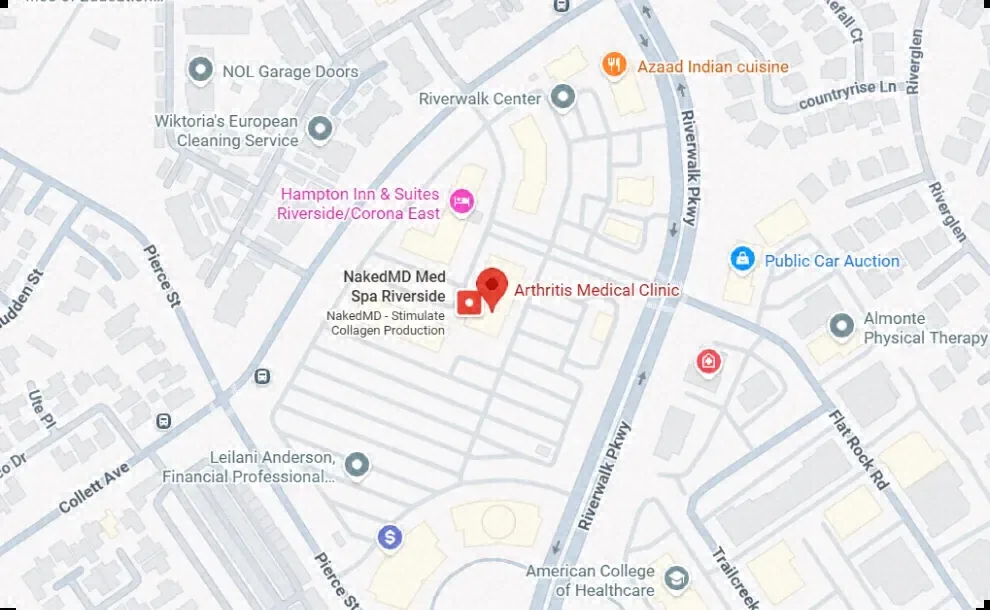
info@arthritismedicalclinic.org
Get Directions to Arthritis Medical Clinic La SierraPhones answered: Mon – Fri 9:00 AM – 5:00 PM
Wheelchair-accessible entrance and parking at every office.