Ankylosing Spondylitis Treatment in Riverside, CA

Medical review pending

Ankylosing spondylitis is a type of arthritis that causes swelling in the joints and ligaments of the spine. It can make the back stiff.

Ankylosing Spondylitis – patient symptom photo

Overview of Ankylosing Spondylitis

Ankylosing spondylitis is a type of arthritis. It causes inflammation, or swelling, in the joints and ligaments of the spine. It may also affect other joints, like the knees, ankles and hips. The joints and ligaments in the spine normally help us move and bend. With ankylosing spondylitis, swelling in the spine can make it stiff. In severe cases, the bones of the spine (vertebrae) may grow together. Doctors call this fusing. When the bones fuse, the spine can become stiff and unable to bend. For how the spine works, see the NIAMS page on back pain.

Many people with ankylosing spondylitis have mild bouts of back pain and stiffness that come and go. Others have severe pain that does not go away, and their spine becomes less flexible. Other symptoms may show up, based on which other parts of the body the disease affects. Some people get eye disease (uveitis), skin disease (psoriasis) or gut disease (inflammatory bowel disease).

Ankylosing spondylitis has no cure. But many treatments to help control symptoms. They may include exercise and physical or occupational therapy to help you move better and stand up straighter. Medicines can ease pain, control swelling, help your posture and slow the disease. With treatment, most people with ankylosing spondylitis can lead full, busy lives.

Who Gets Ankylosing Spondylitis?

Anyone can get ankylosing spondylitis. But some things may raise your risk:

  • Family history and genes. If someone in your family has had ankylosing spondylitis, you are more likely to get it.
  • Age. Most people get symptoms before age 45. But some people get it as children or teens.
  • Other diseases. People who have Crohn’s disease, ulcerative colitis or psoriasis may be more likely to get it.

Symptoms of Ankylosing Spondylitis

The most common symptom is pain and stiffness in the lower back, the hips or both. Over time, symptoms may spread to other parts of the spine or body. The pain usually gets worse when you rest or are not active. So some people hurt more in the middle of the night or after sitting a long time. Moving and exercise usually help ease the pain.

Symptoms are different for each person. Some people have mild bouts of pain that come and go. Others have severe pain that lasts. Whether symptoms are mild or severe, they may get worse during “flares.” They get better during quiet times, called remission.

The disease can affect other parts of the body. So other symptoms may show up, such as:

  • Pain, stiffness and swelling in other joints, such as the ribs, shoulders, knees or feet.
  • Trouble taking deep breaths, if the joints that connect the ribs are affected.
  • Changes in vision and eye pain from uveitis, which is swelling of the eye.
  • Feeling worn out (fatigue).
  • Not feeling hungry and losing weight.
  • Skin rashes, most often psoriasis.
  • Belly pain and loose stools.

Causes of Ankylosing Spondylitis

Researchers do not know what causes ankylosing spondylitis. But studies show that both genes and the world around us may play a part. Researchers know that a gene called HLA-B27 raises the risk. But having the gene does not mean you will get the disease. Many people have it and never get ankylosing spondylitis. This tells researchers that other outside factors also play a part.

Researchers keep finding other gene changes that may cause the disease. But so far, HLA-B27 is the main gene known to raise your risk.


Diagnosis of Ankylosing Spondylitis

To find out if you have ankylosing spondylitis, your doctor will ask about your health history and give you a physical exam. Your doctor may also order scans and lab tests to confirm it.

Medical and Family History

Your doctor may ask about your health and your family’s health. They may ask questions like these:

  • How long have you had pain?
  • Where is your pain?
  • What makes the pain better or worse?
  • Has anyone in your family had back pain, joint pain or arthritis?

Physical Exam

A physical exam may include:

  • Checking your joints, including your spine, pelvis, heels and chest.
  • Watching how you move and bend in different ways, to see how flexible you are.
  • Asking you to breathe deeply to check for stiff or swollen ribs.

Imaging Studies

Your doctor may order scans to help find out if you have ankylosing spondylitis:

  • X-rays help doctors see changes in the joints. But you may have the disease for years before the changes show up on X-rays. Doctors may use X-rays to track the disease over time. They may also use them to rule out other causes of joint pain.
  • MRI uses a strong magnet to take a series of pictures, like thin slices. A computer puts the slices together to show the joint. An MRI can help find ankylosing spondylitis early.

Your doctor may use both X-rays and MRIs to track your disease over time.

Lab tests

Right now, no single test can show that you have ankylosing spondylitis. Your doctor may order a blood test for the HLA-B27 gene. Most people with the disease have it. You may have the gene and never get ankylosing spondylitis. But the test gives your doctor more facts to work with. Your doctor may also check your blood counts and signs of inflammation in your blood. These can help show how active the disease is.

Treatment of Ankylosing Spondylitis

Ankylosing spondylitis has no cure. But your doctor will work with you to manage it. The goals of treatment are to:

  • Ease symptoms.
  • Help you keep good posture, flexibility and strength.
  • Stop or slow the disease.

In most cases, treatment includes medicine and physical therapy. Sometimes people with severe disease need surgery to repair joint damage.

Medications

Most people with ankylosing spondylitis take medicine. It may include one or more of these:

  • Anti-inflammatory medicines from the store. They are often used to ease pain and swelling.
  • Biologic medicines. They block certain signals the immune system sends, which helps lower or stop swelling.
  • Janus kinase (JAK) inhibitors. Your doctor may prescribe these if other treatments have not worked. They act inside certain cells to stop inflammation.
  • Corticosteroids. They can lower swelling and ease pain quickly. They are usually given as a shot into the joint.

Physical Therapy

Your doctor may suggest physical therapy to help:

  • Ease pain.
  • Make your back and neck muscles stronger.
  • Make your core and belly muscles stronger, because they support your back.
  • Improve your posture.
  • Keep your joints flexible and make them more flexible.

A physical therapist can show you the best positions to sleep in. They can also plan an exercise program for you. Your symptoms may get worse when you are still or at rest. So it is important to stay active and exercise regularly.

Surgery

Your doctor may suggest surgery if you have severe joint damage and cannot do your daily tasks. Surgery is not for everyone. You and your doctor can talk about the choices and pick what is right for you.

Before suggesting surgery, your doctor will think about:

  • Your overall health.
  • The state of the bone or joint.
  • The risks and benefits of the surgery.

Surgery may repair a joint or replace it.

In rare cases, people may have surgery to straighten the spine or to fix broken bones (fractures) in the spine.

Who Treats Ankylosing Spondylitis?

Diagnosing and treating ankylosing spondylitis may take a team of health care workers. They may include:

  • Rheumatologists. They are experts in arthritis and other diseases of the bones, joints and muscles.
  • Dermatologists, who treat problems with the skin, hair and nails.
  • Gastroenterologists, who treat problems with the stomach and gut.
  • Mental health professionals. They help people cope with problems at home and at work that may come from their health.
  • Nurse educators. They help you understand your condition and set up your treatment plan.
  • Occupational therapists. They teach ways to protect your joints, ease pain, do daily tasks and save energy.
  • Eye doctors (ophthalmologists), who treat eye problems.
  • Orthopedic surgeons, who treat bone and joint diseases and do surgery on them.
  • Physiatrists. These rehab doctors oversee exercise programs.
  • Physical therapists, who help your joints work better.
  • Primary care doctors, such as family doctors or internal medicine doctors. They help your providers work together and treat other problems as they come up.
  • Psychologists or social workers. They help with the stress and life changes that health problems can bring.

Living With Ankylosing Spondylitis

Research shows that people who take part in their own care have less pain. They also go to the doctor less often and enjoy a better quality of life.

Caring for yourself helps you manage your ankylosing spondylitis and improve your health. You can:

  • Learn about the disease and its treatments.
  • Talk openly with your health care team, so you have more control over your disease.
  • Get support to help you cope with the effects of ankylosing spondylitis on your body, feelings and mind.

Taking part in your care can help you feel sure you can handle daily tasks. That helps you live a full, active life on your own terms.

These changes in daily life can help you do more on your own and stay positive:

  • Exercise. Exercise keeps your muscles healthy and strong. It helps your joints move and stay flexible. Your doctor may suggest gentle exercise, such as exercise in water. Talk to your health care providers before you start any exercise program. Exercise can help you sleep better, ease pain, stay positive and keep a healthy weight.
  • Posture. Practice standing and sitting up straight. Your physical therapist and doctors can give you tips and exercises to keep or improve your posture. Good posture can help you avoid some problems that ankylosing spondylitis can cause.
  • Support devices. A cane or walker can help you move around safely, keep your balance and ease pain. If your stiff spine makes it hard to bend, try a tool that grabs or picks up things for you.
  • Watch your symptoms. Keep track of any changes or new symptoms. Knowing your symptoms and how they change can help you and your doctor manage pain during a flare.
  • Manage stress. Your feelings about the disease can raise your stress. So can pain, limits on what you can do and flares that come without warning. No proof shows that stress causes the disease. But it can make living with ankylosing spondylitis harder. To cope with stress, try deep breathing, meditation, or listening to quiet sounds or music. You can also try exercise programs such as yoga and tai chi.
  • Care for your mental health. If you feel alone, anxious or depressed about your disease, talk to your doctor or a mental health professional. Keep talking. Tell your family and friends about your disease. You may find it helps to join a support group online or in your area.
  • Eat a healthy diet. A healthy diet is good for everyone. It may help a lot if you have ankylosing spondylitis. No special diet exists for it. But keeping a healthy weight is important. It takes stress off painful joints.
  • Stop smoking. If you smoke, quit. Ankylosing spondylitis is worse in people who smoke. Smoking also makes treatment work less well. If the disease affects your chest or ribs, smoking can make it even harder for your lungs to work. Smoking can also make the disease get worse faster.

Elevating Rheumatology Care to the Highest Standard of Excellence

We Are Accepting New Patients!

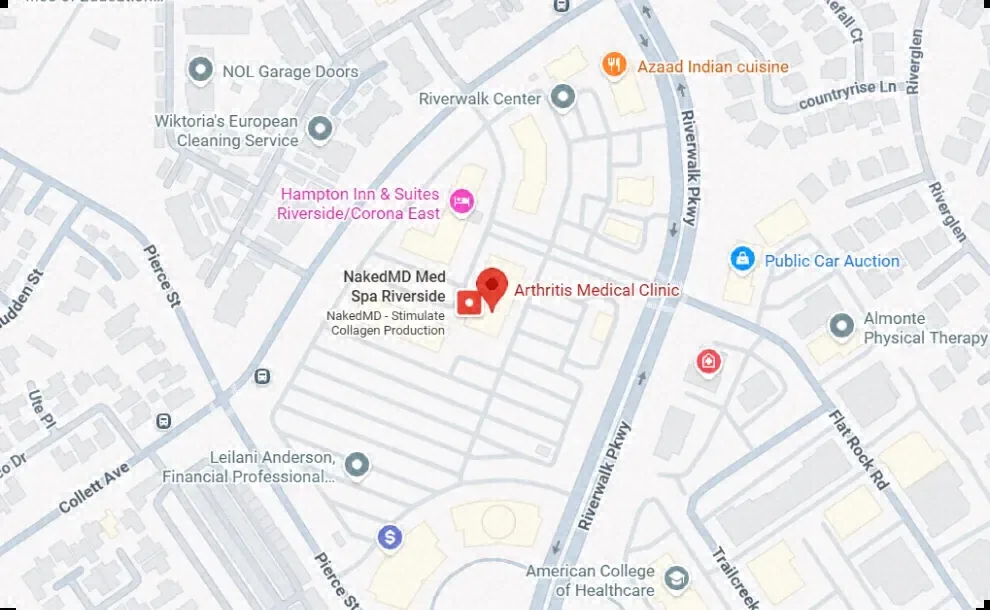
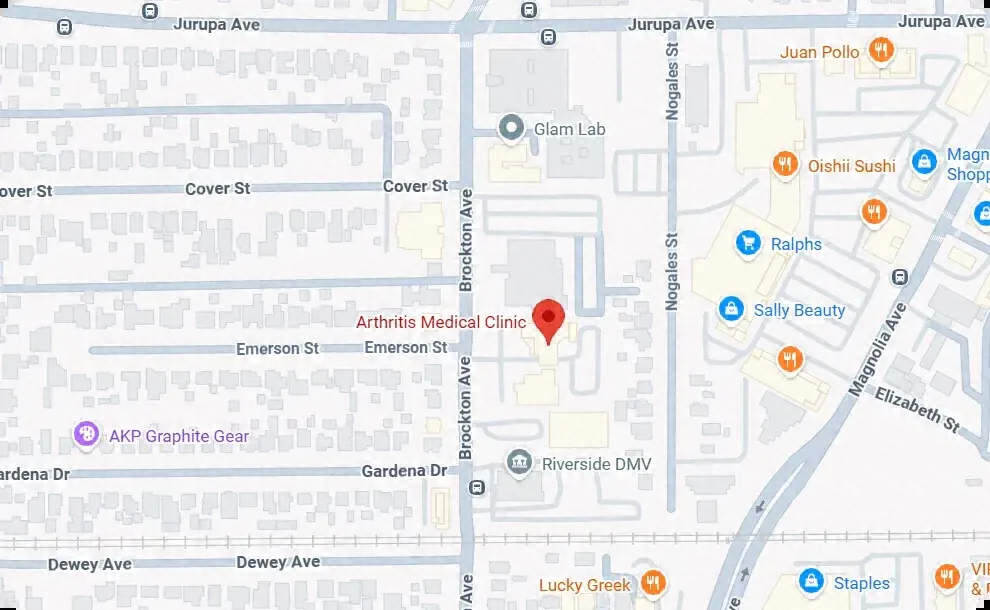
Arthritis Medical Clinic has two convenient locations in Southern California.

Office Hours

  • Monday7:00 AM – 5:00 PM
  • Tuesday7:00 AM – 5:00 PM
  • Wednesday7:00 AM – 5:00 PM
  • Thursday7:00 AM – 5:00 PM
  • Friday7:00 AM – 5:00 PM
  • SaturdayClosed
  • SundayClosed

Phones answered: Mon – Fri 9:00 AM – 5:00 PM

Wheelchair-accessible entrance and parking at every office.

Arthritis Medical Clinic logo

Request An Appointment

We are accepting new patients at both offices. Complete the form and our team will reach out to confirm a time that works for you, or call us at (951) 781-7700.

or send a request

Loading the appointment form…

Please do not include medical details in this form. In an emergency, call 911.