
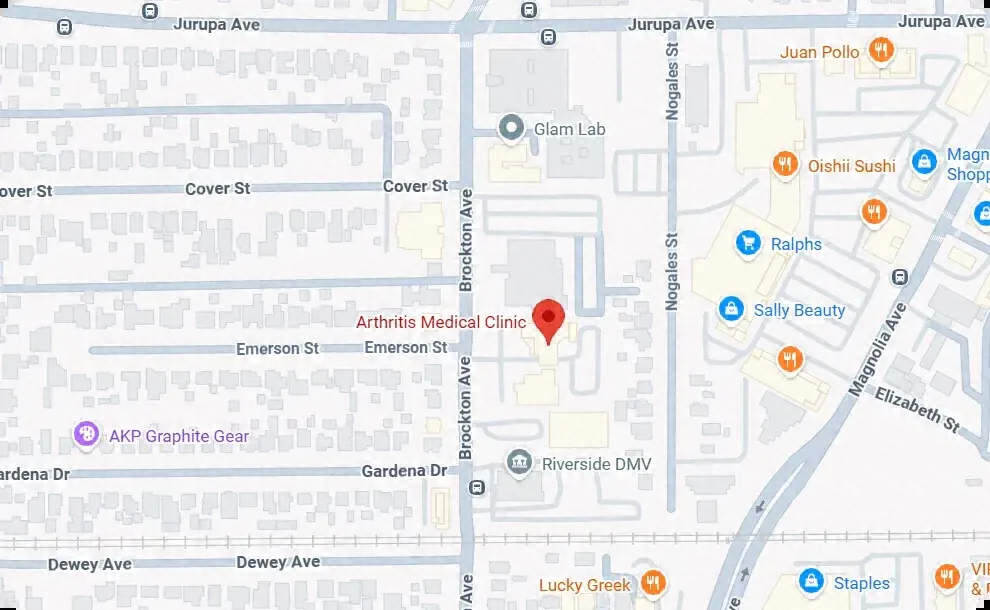
Riverside
6180 Brockton Avenue, STE 204Riverside, CA 92506
info@arthritismedicalclinic.org
Get Directions to Arthritis Medical Clinic RiversideMedical review pending
Vasculitis is a group of rare diseases that make blood vessels swell. The swelling can cut down blood flow to organs.

Vasculitis is a group of rare diseases. In each one, the blood vessels become swollen and irritated. Doctors call this inflammation. The group includes:
When blood vessels swell, less blood can reach important organs. These include the lungs, kidneys, skin, eyes and nerves. Some people with vasculitis have it only once. Others have flare-ups again and again over their lives. Many cases come from problems with the immune system. Others may be linked to some medicines, cancers or virus infections, such as hepatitis B or C.
Vasculitis can cause many kinds of symptoms. These may include:
Sometimes vasculitis does serious harm to the kidneys with no warning signs at first.
A rheumatologist usually makes the diagnosis. They look at your symptoms and examine you. They also use blood tests and small tissue samples. Sometimes they order scans to look for problems in the blood vessels.
Treatment usually starts with glucocorticoids, which are steroid medicines that calm inflammation. Milder cases may be treated with other medicines that calm the immune system. For some types of vasculitis, doctors use newer medicines called biologics. The strongest treatments are kept for the most severe cases that threaten life. Some people with severe disease need plasma exchange, which filters the blood. Others need intravenous immunoglobulin (IVIG), which is given through a vein. If blood vessels or organs are badly damaged, surgery may be needed.
The main goal is to protect organs from lasting harm. These include the lungs, kidneys, brain and nerves. People with vasculitis may also live with ongoing tiredness, joint pain or sinus problems. Medicines, mostly glucocorticoids, can cause side effects. That is why regular checkups with a rheumatologist are important. If you take medicines that lower your immune system, take care to avoid infections. Based on the type of vasculitis, you may need to see other specialists. They include eye, skin, ear, nerve, kidney or lung doctors. With the right treatment, most people with vasculitis do well.
We Are Accepting New Patients!
info@arthritismedicalclinic.org
Get Directions to Arthritis Medical Clinic Riverside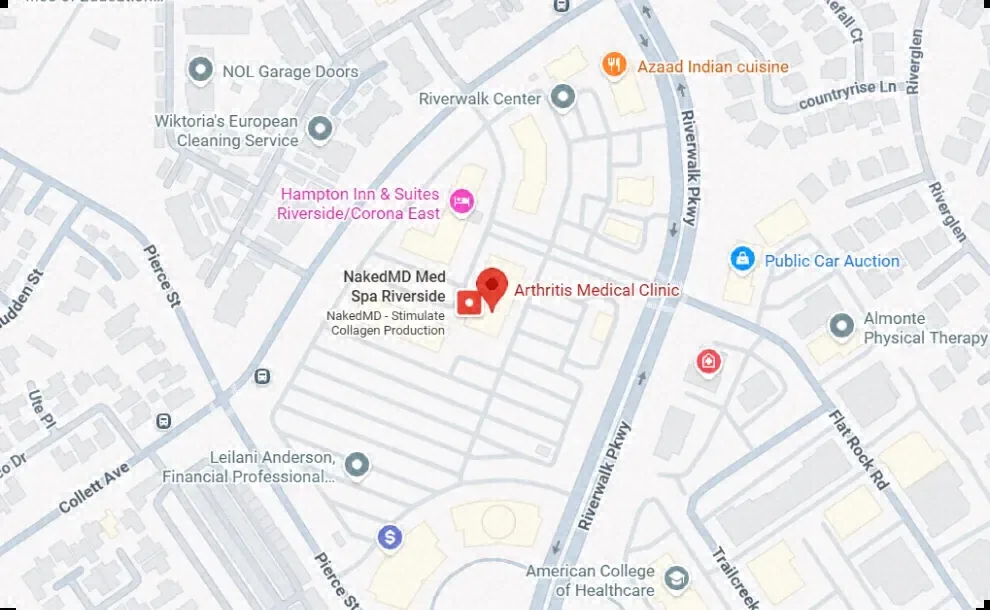
info@arthritismedicalclinic.org
Get Directions to Arthritis Medical Clinic La SierraPhones answered: Mon – Fri 9:00 AM – 5:00 PM
Wheelchair-accessible entrance and parking at every office.