Overview of Osteoarthritis
Osteoarthritis is a joint disease. The tissues in the joint break down over time. It is the most common type of arthritis. It is more common in older people.
People with osteoarthritis usually have joint pain. After rest, the joint may also be stiff for a short time. The joints most often affected are:
- The hands, at the ends of the fingers and at the base and end of the thumbs.
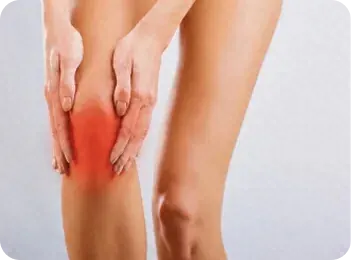
- Knees.
- Hips.
- Neck.
- Lower back.
Osteoarthritis affects each person differently. For some people, it is fairly mild and does not get in the way of daily life. For others, it causes a lot of pain and makes it hard to do things. Joint damage usually builds slowly over years. But in some people, it can get worse fast.
What happens in osteoarthritis?
Researchers do not know what starts the breakdown of tissues in the joint. But once osteoarthritis starts, it can damage every part of the joint, including:
- Cartilage, the tissue that covers the ends of two bones where they meet to form a joint.
- Tendons and ligaments.
- Synovium, the lining of the joint.
- Bone.
- The meniscus in the knee.
As the soft tissues in the joint get more damaged, pain and swelling start. The joint also cannot move as far. If your joint hurts, you may be less active. This can make your muscles weak, which may put more stress on the joint. Over time, the joint may lose its normal shape. Small bone growths may form on the edges of the joint. These are called osteophytes or bone spurs. The shape of the bone may also change. Bits of bone or cartilage can break off and float inside the joint. This causes more damage. Researchers are still studying what causes the pain in osteoarthritis.
Who Gets Osteoarthritis?
Anyone can get osteoarthritis. But it gets more common as people age. Women are more likely than men to have it, most of all after age 50. For many women, it starts after menopause.
Younger people can get osteoarthritis, too. It usually comes from:
- A joint injury.
- A joint that formed the wrong way.
- A gene problem in the joint cartilage.
Symptoms of Osteoarthritis
Symptoms often start slowly. They usually start in one or a few joints. Common symptoms include:
- Pain when you use the joint, which may get better with rest. In the later stages, the pain may be worse at night for some people. The pain can be in one spot or spread out.
- Joint stiffness in the morning or after rest. It usually lasts less than 30 minutes.
- Changes in the joint that make it harder to move.
- Swelling in and around the joint, mostly after a lot of activity or use.
- Changes in how well you can move the joint.
- A feeling that the joint is loose or not steady.
Osteoarthritis can affect each joint in its own way. For example:
- Hands. Over time, the finger joints may get bony bumps and change shape.
- Knees. When you walk or move, you may hear a grinding or scraping sound. Over time, weak muscles and ligaments can make the knee give way.
- Hips. You may feel pain and stiffness in the hip or in the groin, inner thigh or buttocks. Sometimes the pain spreads to the knees. Over time, you may not be able to move your hip as far as you once could.
- Spine. Your neck or lower back may feel stiff and sore. As the spine changes, some people get spinal stenosis. This means the spine gets narrow, which can cause other symptoms.
As symptoms get worse, everyday tasks can become hard. These include stepping up, getting on or off the toilet, getting in and out of a chair, holding a pan or walking across a parking lot.
Pain and other symptoms may make you feel tired, have trouble sleeping and feel depressed.
Cause of Osteoarthritis
Osteoarthritis happens when the cartilage and other tissues in the joint break down or change. This is not just simple wear and tear. Instead, changes in the tissue start the breakdown. It usually happens slowly over time.
Some things make you more likely to get the disease:
- Getting older.
- Being overweight or having obesity.
- Having had an injury or surgery on a joint.
- Using a joint in the same way over and over.
- Joints that did not form the right way.
- Having family members with osteoarthritis.
Diagnosis of Osteoarthritis
No single test can show osteoarthritis. To diagnose it, your doctor may:
- Ask about your health history. This includes your symptoms, other health problems you and your close family have, and any medicines you take.
- Give you a physical exam to check your overall health, your reflexes and the joints that hurt.
- Take blood tests to rule out other causes of your symptoms.
- Take a sample of fluid from the joint to look for other causes of joint pain, such as an infection or gout.
Your doctor may also take pictures of your joint:
- X-rays can show less space in the joint, bone damage, changes in the bone and bone spurs. Early joint damage does not usually show up on X-rays.
- An MRI can show damage to the soft tissues in and around the joint. It often helps doctors check a joint that locks or gives way.
Treatment of Osteoarthritis
The goals of treatment are to:
- Ease pain and other symptoms.
- Help the joint work better.
- Stop the disease from getting worse.
- Help you keep a good quality of life and avoid disability.
Treatment usually starts with:
- Learning about osteoarthritis. Your doctor may suggest classes or online programs.
- Exercise. It can ease joint pain and stiffness. It can also make you more flexible, stronger and able to keep going longer. Start any exercise program slowly and give your body time to get used to it. Ask your doctor or physical therapist about a safe, well-rounded program.
- Managing your weight. This takes stress off your joints. If you are overweight, losing weight can ease pain, prevent more injury and help your joints move. This helps most for the knees and hips, which hold up your weight.
- Braces or shoe inserts (orthotics). Your doctor prescribes them and a health care worker fits them. They may help steady a joint.
A safe exercise program may include:
- Range-of-motion and stretching exercises to keep your joints loose.
- Strength exercises with weights or exercise bands. They make the muscles that support your joints stronger.
- Exercises in water. They put less stress on your joints.
- Balance exercises to help you keep doing daily tasks.
- Gentle activities that keep you moving without stressing your joints. These include walking, biking, swimming, tai chi, water aerobics or a low-impact aerobics class.
Some people need medicine to manage their symptoms. It may include:
- Pain relievers you take by mouth.
- Anti-inflammatory medicines you take by mouth to ease pain and swelling.
- Creams, rubs or sprays you put on the skin over sore joints to ease pain.
- Corticosteroids. These strong medicines fight swelling. They are usually given as a shot into the joint to ease pain for a while. Because they are strong, your doctor will decide how many shots you get and how often.
- Hyaluronic acid shots (viscosupplements). They are sometimes suggested for osteoarthritis of the knee. They are injected into the knee to replace a natural part of the joint that helps it glide and stay healthy.
- Serotonin and norepinephrine reuptake inhibitors. You take these by mouth to help control long-term pain.
Some people may need surgery if other treatments do not help and the joint damage is severe. Many things help decide if surgery is right for you. These include your age, how bad your pain is, how much arthritis gets in the way of your life, how much it limits you and the work you do. Surgery may include:
- Osteotomy. The surgeon removes a piece of bone.
- Partial or total joint replacement surgery. The surgeon removes part or all of the damaged joint. Then they replace it with a new joint made of plastic, metal or ceramic.
Other therapies, such as massage, can bring more blood and warmth to the area. Some research shows that acupuncture may help ease osteoarthritis pain. Doctors think the needles help the nerves release the body’s own pain-relieving chemicals. Before you try other therapies, talk to your doctor about the best choices for you.
Who Treats Osteoarthritis?
Treating osteoarthritis takes a team. The team includes you and several kinds of health care workers. They may include:
- Rheumatologists. They are experts in arthritis and other diseases of the bones, joints and muscles.
- Primary care doctors, such as family doctors or internal medicine doctors. They help your providers work together and treat other problems as they come up.
- Orthopedic surgeons, who treat bone and joint diseases and do surgery on them.
- Physical therapists, who help your joints work better.
- Occupational therapists. They teach ways to protect your joints, ease pain, do daily tasks and save energy.
- Dietitians. They teach you about healthy eating and keeping a healthy weight.
- Nurse educators. They help you understand your condition and start your treatment plan.
- Physiatrists. These rehab doctors oversee exercise programs.
- Psychologists or social workers. They help with the stress and life changes that health problems can bring.
- Chiropractors. They focus on how the body’s structure, mainly the spine, affects how it works.
Living With Osteoarthritis
You can do many things to help you live with osteoarthritis:
- Use heat and cold to ease joint pain. Heat brings more blood to the area, helps you handle pain and helps you bend. Cold numbs the nerves around the joint to ease pain. It may also ease swelling.
- Use a cane or walker. It can help you move around safely, keep your balance and ease pain. If you have arthritis in your hands, tools that help you grip, such as jar openers, may help.
- Try not to repeat the same motion over and over, such as bending a lot.
- Use shoe inserts or braces to support your joint. They can ease pain and pressure on the area. This can help when you stand or walk.
- See your health care provider regularly. This lets you take part in your treatment and talk about your symptoms. Some people find it helps to take a class about osteoarthritis. It can teach you how to manage symptoms and stay active.
- Join a support group online or in your area. It can help you cope with your feelings about the disease and give you tips for a healthy life.