
Riverside
6180 Brockton Avenue, STE 204Riverside, CA 92506
info@arthritismedicalclinic.org
Get Directions to Arthritis Medical Clinic RiversideMedical review pending
Microscopic polyangiitis (MPA) makes the smallest blood vessels swell. It often harms the kidneys and lungs before you notice symptoms.
As a rheumatologist, I often meet patients who have been experiencing unexplained symptoms for months before receiving a diagnosis. They may have persistent fatigue, shortness of breath, abnormal kidney tests, nerve symptoms, or recurring inflammation that doesn’t fit a common medical condition.
One diagnosis that often surprises patients is Microscopic Polyangiitis (MPA).
Microscopic Polyangiitis is a rare autoimmune disease that causes inflammation of small blood vessels throughout the body. Because these blood vessels supply critical organs such as the kidneys, lungs, skin, and nerves, inflammation can lead to serious complications if not recognized and treated early.
The good news is that advances in diagnosis and treatment have dramatically improved outcomes. Today, many patients achieve remission and continue to live active, productive lives.
Microscopic Polyangiitis (MPA) is a type of ANCA-associated vasculitis, a group of autoimmune diseases that cause inflammation of blood vessels. “Microscopic” refers to the small blood vessels that are affected, “poly” means many, and “angiitis” means inflammation of blood vessels.
In MPA, the immune system mistakenly attacks small arteries, veins, and capillaries. As these vessels become inflamed and damaged, blood flow to organs can be impaired. The organs most commonly affected include the kidneys, lungs, skin, nerves and joints.
MPA belongs to the ANCA-associated vasculitides, which also include Granulomatosis with Polyangiitis (GPA) and Eosinophilic Granulomatosis with Polyangiitis (EGPA). MPA is different because it usually does not cause the granulomas commonly seen in GPA. It is particularly known for causing kidney inflammation, lung involvement and systemic symptoms.
The exact cause of MPA remains unknown. Researchers believe MPA develops when the immune system becomes overactive and mistakenly attacks healthy blood vessels. Autoimmune dysfunction, genetic factors and environmental triggers may all contribute.
MPA can be difficult to diagnose, partly because symptoms often develop gradually.
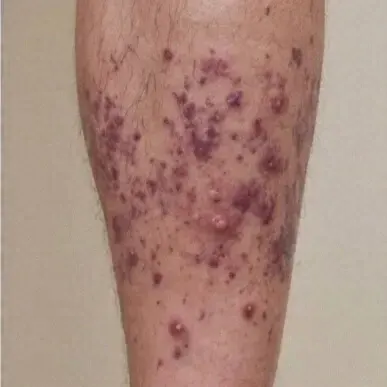
MPA can also affect the skin (purple spots, small red lesions, ulcers), the eyes, the digestive system and, less commonly, the heart and circulation.
Organ damage can occur before symptoms become severe, and kidney disease in particular may progress silently. Without treatment, complications can include chronic kidney disease, kidney failure, severe lung injury and permanent nerve damage. Early recognition and treatment significantly improve long-term outcomes.
No single test can confirm a diagnosis of MPA. Diagnosis requires combining symptoms, laboratory findings, imaging studies, and sometimes biopsy results.
The goals of treatment are to stop inflammation, prevent organ damage, preserve kidney function, protect lung health and achieve remission.
A diagnosis of MPA can feel overwhelming, especially when vital organs such as the kidneys or lungs are affected. However, treatment outcomes today are much better than they were decades ago. Many patients continue working, exercise regularly, travel, raise families and maintain an excellent quality of life. The key is ongoing monitoring and a partnership with a rheumatology team experienced in treating vasculitis.
Seek medical evaluation if you experience persistent fatigue, unexplained weight loss, blood in the urine, kidney abnormalities, shortness of breath, chronic cough, coughing up blood, numbness or tingling, or symptoms involving multiple organ systems.
Yes. MPA is an autoimmune vasculitis that causes inflammation of small blood vessels.
The kidneys and lungs are most commonly involved, although many other organs may be affected.
There is currently no cure, but many patients achieve long-term remission with treatment.
It can become serious if major organs are affected, which is why early diagnosis and treatment are essential.
A rheumatologist typically coordinates diagnosis and treatment, often working alongside nephrologists and pulmonologists.
One of the challenges of Microscopic Polyangiitis is that its earliest symptoms are often easy to overlook. Fatigue, mild weight loss, joint pain, and respiratory symptoms may not seem related at first. However, when these symptoms occur alongside kidney abnormalities, nerve symptoms, or lung involvement, a more serious underlying condition may be present.
The encouraging reality is that modern therapies have transformed the outlook for patients with MPA. With early diagnosis, the right treatment, and regular follow-up, many people are able to achieve remission, preserve organ function, and continue living active, fulfilling lives.
We Are Accepting New Patients!
info@arthritismedicalclinic.org
Get Directions to Arthritis Medical Clinic Riverside
info@arthritismedicalclinic.org
Get Directions to Arthritis Medical Clinic La SierraPhones answered: Mon – Fri 9:00 AM – 5:00 PM
Wheelchair-accessible entrance and parking at every office.